Tyre condition involves more than how much tread appears to remain. Pressure information, wear, visible damage and recent impacts all help describe a concern. This checklist organises the details to discuss with the workshop; an outside view cannot establish the condition of every part of a tyre or confirm that it is suitable for continued use.
YOUR CAR / INFORMED CHOICESOwner guide · 26 October 2026
THE ESSENTIALS
Understand the choices.
Start with the differences that matter, then explore the detail for your car.
01
Pressure information
Use the vehicle’s tyre-information placard or handbook as the reference for its recommended pressure. The maximum value on a tyre sidewall is a different specification.
Describe uneven wear, cuts, cracking, bulges or other changes you have noticed. A photograph can show the affected area, but it cannot reveal all internal damage.
Mention pressure warnings, recurring air loss, impacts and recent fitting or repairs. Include the vehicle and tyre details so the concern has useful context.
The recommended operating pressure relates to the vehicle and its configuration. Michelin distinguishes that recommendation from the maximum-pressure marking on the tyre itself. Front, rear or loaded recommendations may differ; use the information applicable to your car rather than a figure copied from another vehicle.
For an enquiry, send the make, model, year and a clear image of the tyre markings. Mention any wheel or tyre-size changes. Ask the workshop to confirm the appropriate specification and checks for that setup.
02 / IN DETAIL
Describe the tread and sidewalls
Visible concerns can include uneven wear, cuts, cracking, bulges and embedded objects. Tell the team which wheel is affected and include existing photographs where helpful. Tread depth and the condition of the whole tyre need assessment together; a single photograph or a quick glance is not a complete check.
Do not treat a foreign coin test or a generic internet threshold as confirmation that the tyre meets the requirements for your particular vehicle and location. Ask for the relevant assessment and recommendation.
03 / IN DETAIL
Keep warnings and impacts in the history
Record the exact pressure-warning message, which tyre is involved and any repeated loss you have already noticed. Tell the workshop about a pothole or kerb impact, recent puncture work, fitting or a change in vibration or handling.
Michelin notes that an external visual inspection cannot reveal every form of internal damage. A tyre that appears unchanged from outside can still need a professional assessment. Share the history even when there is no obvious mark to photograph.
04 / IN DETAIL
Turn the concern into an agreed scope
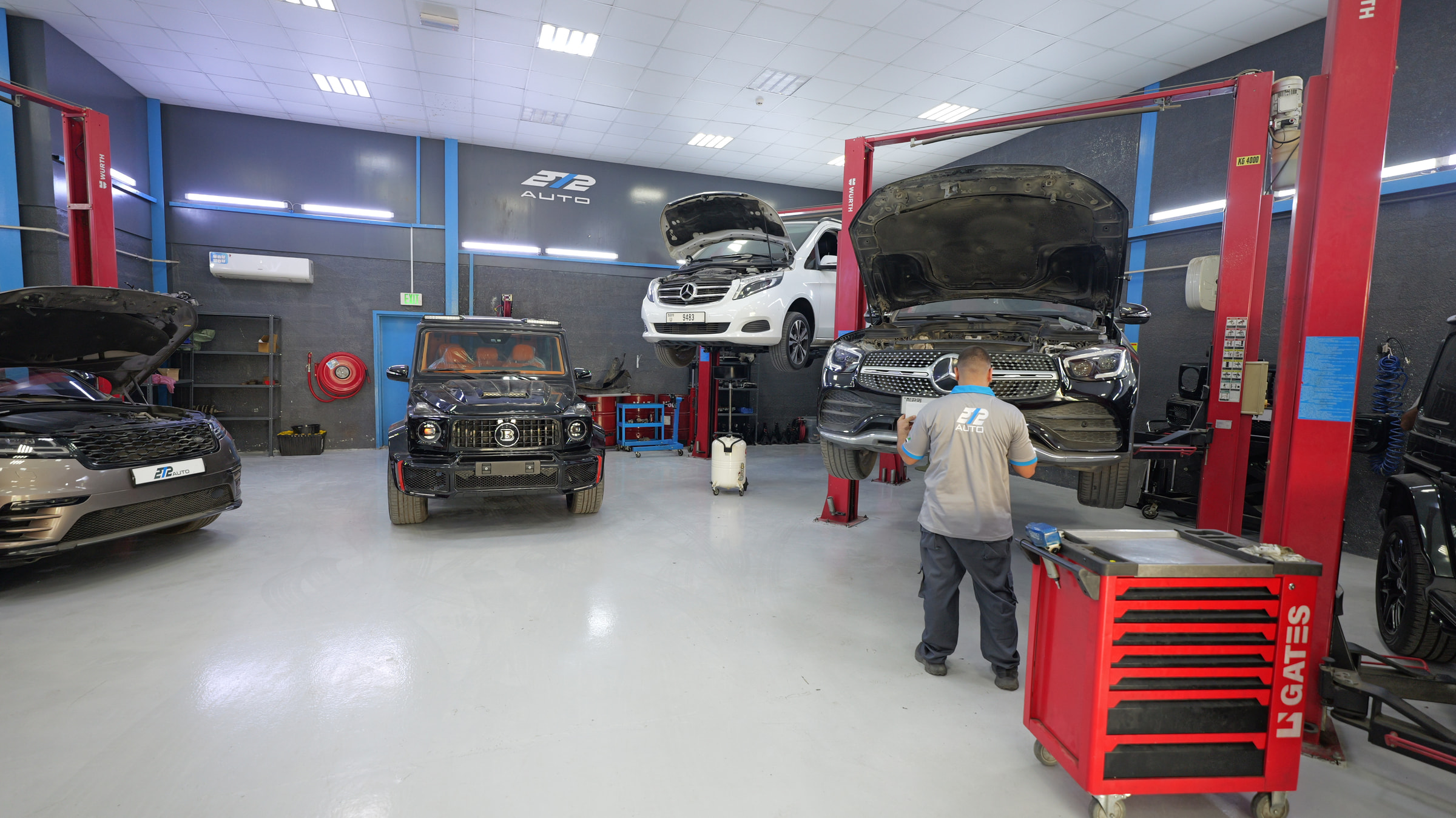
212 Auto offers tyre-service enquiries in Al Quoz, including fitting, puncture assessment, alignment and balancing. Those are different tasks. Describe what you have noticed so the workshop can confirm the checks and explain any recommendation, rather than arrive with an assumed repair decision.
Which tyre and wheel details are needed?
What condition or cause has the assessment established?
Does the proposal concern inspection, repair, replacement or separate wheel work?
GOOD TO KNOW
Your questions.
Is the pressure written on the sidewall the target for my car?
The maximum-pressure marking is not the vehicle’s recommended operating pressure. Refer to the vehicle placard or handbook and discuss any changed wheel or tyre setup with a professional.
Can a photograph confirm that a tyre is fit to use?
No. Photographs can communicate visible wear or damage, but they do not establish internal condition or replace an appropriate professional assessment. Share the tyre’s history as well as its appearance.
What should I send to 212 Auto?
Send vehicle details, tyre-marking photographs, the affected wheel, any warning and relevant impact or repair history. The workshop confirms the assessment, scope, quotation and visit directly.