
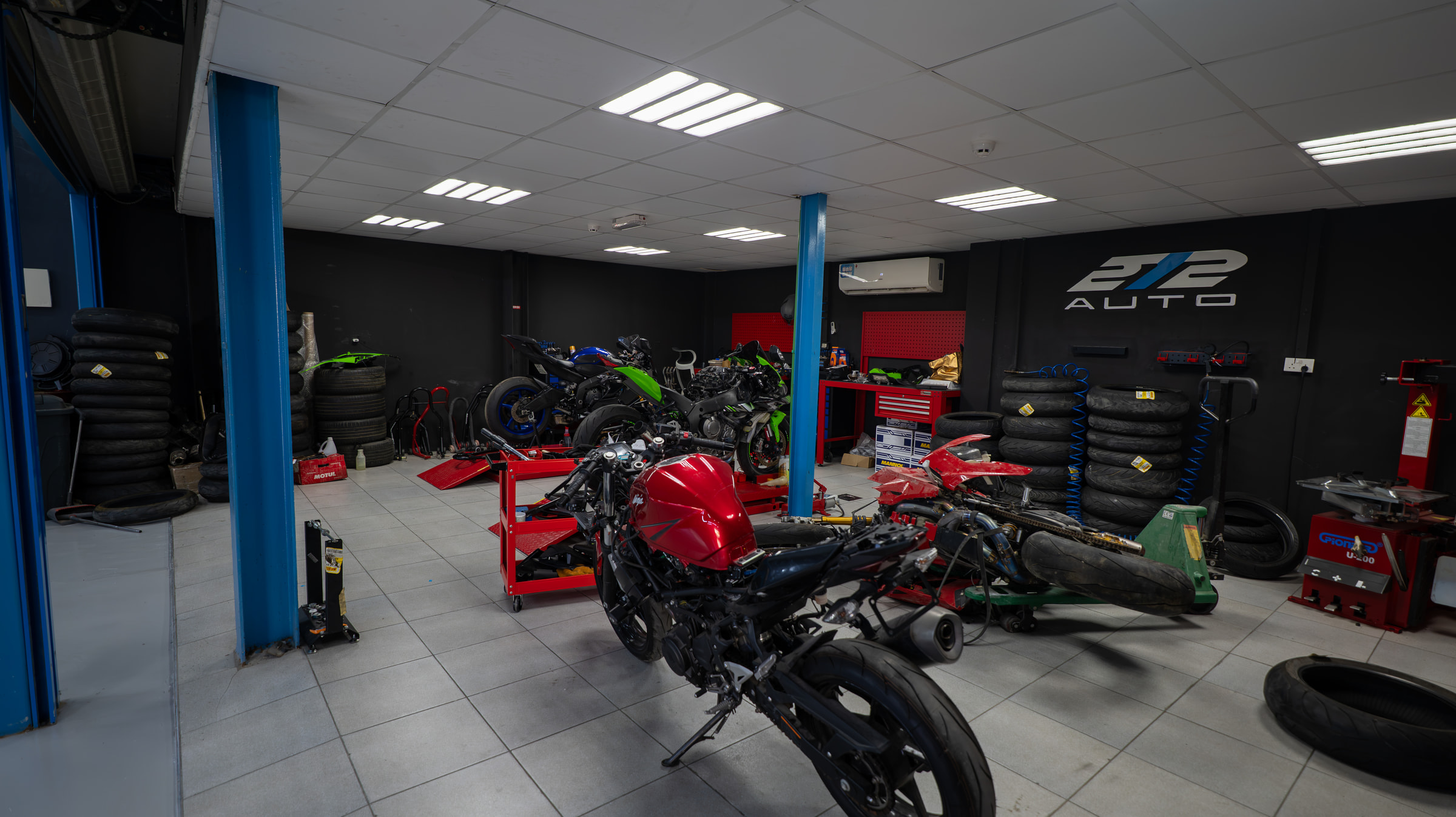
Define the request before leaving the bike
Tell the workshop the make, model, year, mileage and expected storage period. Mention whether the date might change and how you can be reached while away. A precise return date is useful, but an honest estimate is better than a date that will certainly be missed. Ask what notice is required before collection.
Keep storage, mechanical work, paint work and detailing as separate requests even if you want them during the same stay. A storage arrangement does not automatically include a service, tuning, repainting or unlimited checks. Ask for the actual scope, availability and estimate to be confirmed directly before the bike is handed over.
Make a condition record together
Use clear photographs of the motorcycle, visible marks and accessories at handover. List the number of keys, detachable luggage and any items left with it. Include a known warning light, starting issue, fluid leak or damage in writing so an existing concern is not confused with a later observation.
Give the team relevant recent invoices and explain modifications or accessories that may affect the work. Do not assume the person receiving the bike knows its full history. The record should help both sides understand the starting condition, requested work and collection expectations without a long chain of remembered conversations.
Agree a model-specific battery and fuel plan
Honda’s motorcycle storage guidance treats preparation differently according to the length of inactivity, and discusses battery, fuel and tyre care. That does not make one procedure suitable for every motorcycle. Battery chemistry, electronic equipment and the fuel system matter. Use the handbook for the exact model and agree who carries out the preparation.
Ask whether any battery maintenance is included and what equipment or method is appropriate for that battery. Avoid assuming that every charger is compatible or that briefly starting the engine is an agreed maintenance routine. Clarify the fuel plan with the workshop rather than adding a product, disconnecting systems or draining fuel on the basis of a general online list.
Reference: Honda Global: motorcycle storage advice.
Understand the conditions and included checks
Ask where the bike will be kept, what access arrangements apply and which observations, if any, form part of the storage scope. Michelin’s storage advice highlights that prolonged loading in one position and storage conditions matter for tyres. The practical question for your booking is what the agreed tyre and support plan is for your motorcycle.
Ask how a new concern would be reported, whether you would receive photographs and how a repair would be approved. Confirm any insurance or responsibility terms in the actual agreement rather than inferring them from the word storage. Keep a copy of the agreed scope and contact details where you can access them while away.
Reference: Michelin: motorcycle storage and tyre care.
Plan the return before the first ride
Arrange collection in advance and state how long the bike has been inactive. Ask what return-to-use checks are appropriate for the period and the model, and whether a separate service is due. A clean motorcycle is not evidence that its mechanical condition has been assessed.
At handover back to you, review completed work, any observations and any item still requiring attention. Keep the record with the bike’s history. If a control feels wrong, a warning remains or the bike behaves unexpectedly, stop and seek advice before riding further. A considered return completes the storage plan; it should not be left to the moment you put on your helmet.