
Separate temperature from airflow
Sit with the distinction before choosing a repair. Warm air with normal air movement and weak air movement are different observations. Write down which description fits, whether all vents are affected and whether the behaviour is consistent. You do not need specialist instruments or a perfect temperature reading to explain what has changed.
Avoid repeatedly adjusting several settings at once just to create a result. If you already know the conditions in which the fault appears, note them. Do not recreate a problem while driving or ask a driver to take photographs. A passenger’s observation or a note made after parking safely is enough for the initial enquiry.
Notice when the problem appears
Does cooling begin normally and then fade? Is the issue most obvious after the car has been parked, in slow traffic or at every speed? Does one side feel different from the other? Record the pattern in plain words. “Cold on the passenger side, warm on the driver side after ten minutes” is more useful than a guessed component name.
Bosch describes AC assessment as a combination of cooling and airflow checks, inspection and leak assessment where appropriate. Its guidance also explains that performance changes can have different causes. That supports a simple principle for the owner: an AC concern deserves a diagnosis before a recharge or replacement is selected.
Reference: Bosch Car Service: AC assessment and common cooling concerns.
Keep smells and moisture in the description
If an odour is part of the concern, explain when you notice it: immediately on start-up, only with the fan, after switching the AC off or throughout the journey. Say whether the carpets are wet or the windows mist unusually. These observations do not identify a fault on their own, but they help prevent an important part of the complaint being missed.
Be clear about what you have actually seen. Water outside the car, moisture in the cabin and a coloured fluid are different descriptions. If you do not know what a liquid is, say so. Do not touch unknown fluids or dismantle parts to get a better photograph. The workshop can decide what needs inspecting.
Bring the work history, especially repeat visits
If refrigerant has been added before, include the invoice, date and how long the improvement lasted. Mention whether a leak was found, whether a repair was completed and whether any component was changed. “It was topped up last month and has become warm again” is a useful timeline; “it needs gas” assumes the answer.
Also mention a change that followed a collision repair, front-end work, battery work or another visit, without concluding that the previous work caused it. Keep the sequence factual. Ask for findings to distinguish an airflow concern, a cooling-circuit issue and any separate engine-cooling concern. A test result should lead the recommendation.
Agree what the visit will establish
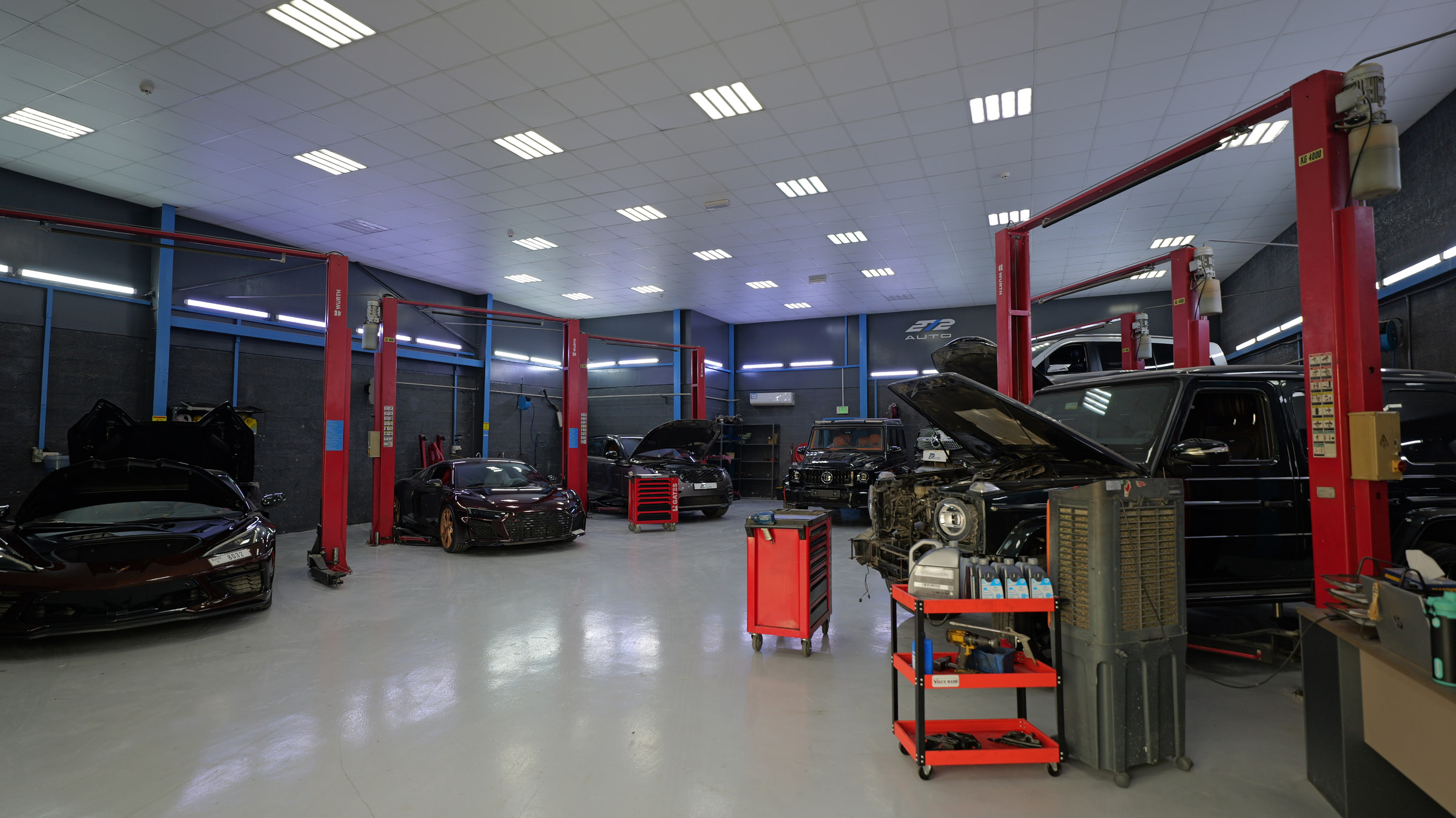
Send 212 Auto the vehicle details, symptom pattern and relevant invoices. Ask what the initial assessment covers, how additional testing is discussed and how any recommended repair will be quoted. The exact method depends on the vehicle and the concern; a generic online description cannot determine it.
At handover, restate the condition in which the symptom normally appears and ask how the result will be checked against that complaint. Keep the final record of the work. If the behaviour returns, that record gives the next discussion a starting point rather than forcing you to begin again with “not cold”.